
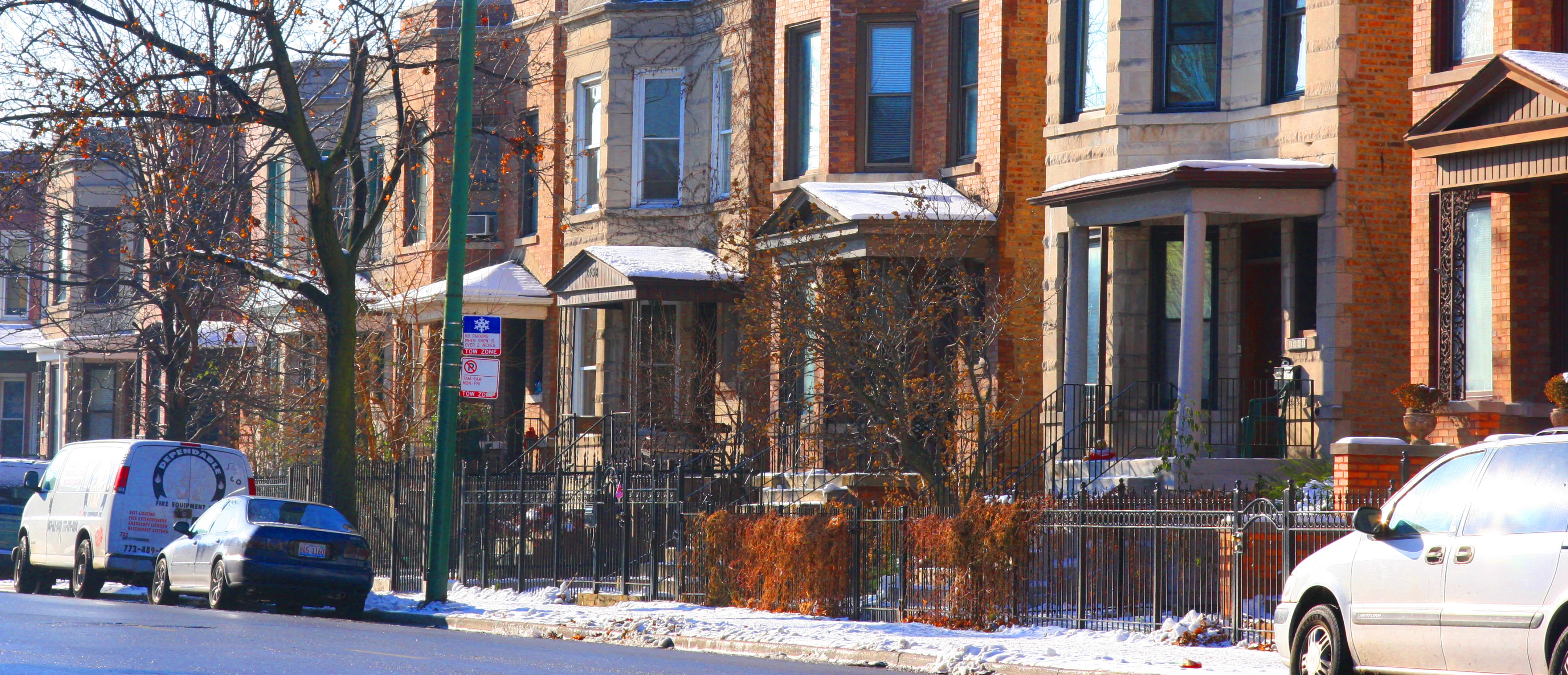
Is There a Snow Removal Law in Chicago?


Chicago winters bring serious responsibilities for landlords, especially when it comes to sidewalk snow and ice removal. Under the Chicago snow removal law, apartment buildings, like all businesses, can face fines of $250 to $500 per day for failure to remove snow accumulation on the public sidewalk next to the property.
And in the summer of 2017, the Illinois Supreme Court held that property managers owe a duty to pedestrians to direct snowmelt and drainage away from the sidewalk so that ice does not accumulate and cause a hazard. Here’s what landlords need to know about their legal obligations and how to meet them:
Who Is Responsible for Snow Removal on Chicago Sidewalks?
Under Chicago Municipal Code 10-8-180, every owner, lessee, occupant, or person in charge of a building is responsible for removing snow and ice from the public sidewalks bordering the property. In practice, this duty belongs to the landlord or property management team for nearly all rental properties. This includes:
- Multi-unit residential buildings
- Mixed-use buildings
- Commercial storefronts
- Condo associations acting through their boards or management companies
The obligation is the same regardless of building size.
How Much Snow and Ice Must Be Removed?
Landlords must clear sidewalks to a width of at least five feet, which accommodates wheelchairs and other mobility devices and aligns with the City of Chicago’s accessibility guidance.
In addition to clearing width, sidewalks, curb cuts, and ramps must remain safe, unobstructed, and continuously passable throughout winter, including during ongoing snowfall or freeze–thaw cycles.
Where Should You Put the Snow?
The City recommends placing snow on your own property, including the yard or the parkway between the sidewalk and street.
Avoid the following, which may also result in citations:
- Pushing snow into the street
- Obstructing alley entrances
- Piling snow over fire hydrants
How Much Time Do Landlords Have to Clear It?
Under Chicago’s snow removal deadlines, snow that falls between 7 a.m. and 7 p.m. must be cleared by 10 p.m. the same day. Snow that falls between 7 p.m. and 7 a.m. must be cleared by 10 a.m. the next morning. Sidewalks must be cleared seven days a week, including holidays.
Unshoveled sidewalks may be reported via 311, which often initiates an inspection. If noncompliance is verified, daily fines of $250–$500 may be issued until the sidewalk is brought into compliance. Multiple 311 complaints for the same address can trigger repeated inspections, which may result in additional citations and fines.
Keeping sidewalks consistently clear is the best way to avoid escalating enforcement.
What if Ice is Bonded to the Pavement?
When ice is bonded to the pavement, landlords must apply salt, sand, gravel, or other traction materials to reduce slip hazards. As soon as conditions allow, the area must be fully cleared.
Chicago expects landlords to monitor sidewalks throughout the season and proactively address refreezing.
Liability & Legal Immunity for Snow Removal
Unless landlords have been careless or intentionally created a hazard, Section 10-9-190 of the Municipal Code immunizes them from civil damages arising from acts or omissions in removing the snow or ice from the public sidewalk. The Illinois Snow and Ice Removal Act, 745 ILCS 75/1, also provides immunity for negligent removal of snow and ice from the sidewalk. (Note: this immunity does not extend to removing snow from private property, such as a garage entrance, a driveway, or a walkway to the front door.)
A key question arises when pedestrian falls are caused not by poor shoveling but by conditions on the property that direct snowmelt toward the sidewalk. The Illinois Supreme Court addressed this in 2017 in Murphy-Hylton v. Lieberman Management Services, Inc., 2016 IL 120394.
In Murphy-Hylton v. Lieberman Management Services, Inc., 2016 IL 120394, a pedestrian slipped on ice on the public sidewalk beside her condominium building. It had been 11 days since the last snowfall, and the condominium building, through its property manager, had adequately cleared the sidewalks of snow after the storm. But the management company had allowed the downspouts on the property to direct snowmelt towards the sidewalk, where it turned into ice.
The pedestrian alleged that the management company had been negligent in maintaining the premises in such a way that it caused an unnatural accumulation of ice on the sidewalk. The management company argued that the broad immunity provided by the Illinois Snow and Removal Act insulated it from any liability. The Illinois Supreme Court disagreed with this broad theory of immunity, holding that there is no immunity for failing to correct dangerous conditions that could lead to the accumulation of ice on the public sidewalk.
In short: check sidewalks and downspouts near your apartments and rental properties – are they in need of repair or redirection before the snowmelt season arrives?
Winter Maintenance Checklist for Chicago Landlords
A landlord-focused checklist you can use throughout the season:
Before Winter
- Inspect all downspouts, gutters, and drainage systems
- Ensure runoff does not flow toward sidewalks or walkways
- Stock salt, ice melt, and traction materials
- Confirm vendor contracts for snow removal or assign internal staff
- Check exterior lighting to improve visibility during storms
- Document fall maintenance for liability protection
After Each Snowfall
- Clear sidewalks within the City’s required deadlines
- Remove or break up packed snow that could refreeze
- Apply de-icing materials to high-traffic and shaded areas
- Check building entrances, ramps, and curb cuts for accessibility
Throughout the Season
- Monitor weather forecasts for early preparation
- Inspect downspouts and ground-thaw paths after freeze–thaw cycles
- Keep maintenance logs (date, time, and method of snow removal)
- Verify that snow piles aren’t creating visibility hazards or runoff issues
Documented, proactive maintenance reduces liability and speeds up compliance checks if the City responds to a 311 report. Consider taking time-stamped photos or keeping digital logs of each snow-removal activity. This documentation can be valuable if a 311 inspector visits the property or if an insurance claim arises from a slip-and-fall incident.
Domu is not a law firm and is not providing legal advice in this blog post or in any other forum. If you would like clarification of your legal obligations to clear snow under Chicago’s Municipal Code, please review the City of Chicago’s resources on their website.